How Airport’s Check-in, Boarding, and Baggage System Works
18 May 2026
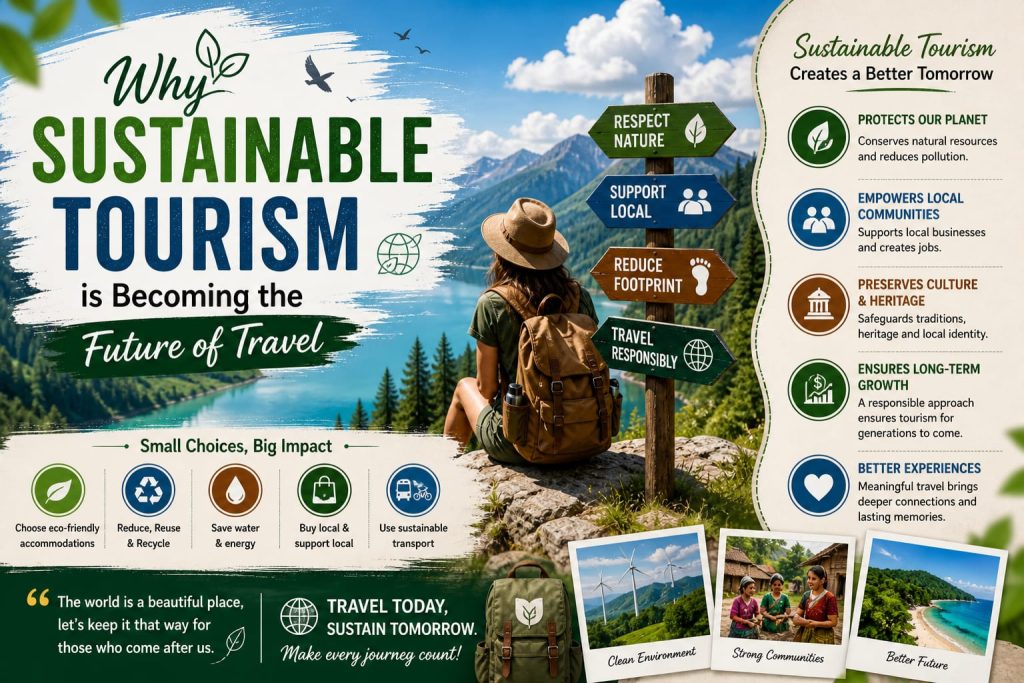
Why Sustainable Tourism is Becoming the Future of Travel
Travelling has always been a beautiful way to explore new cultures, relax in nature, and create lifelong memories. But today, the world is facing major environmental challenges like pollution, climate change, deforestation, and loss of wildlife. As tourism grows, the responsibility to protect our planet grows too. This is where Sustainable Tourism comes in. It is not just a trend; it is transforming into the future of global travel.
Sustainable tourism focuses on travelling in a way that benefits the environment, supports local communities, and preserves natural destinations for future generations. In this blog, we explore why sustainable tourism is becoming so important and how it is reshaping the travel industry.
1. Tourists Are Becoming More Environmentally Aware
Today’s Travelers want more meaningful experiences. People no longer want to visit places just to take photos; they want to travel responsibly. Travellers are becoming more conscious about how their choices impact nature.
Many prefer:
-
Eco-friendly hotels
-
Nature-based travel experiences
-
Plastic-free travel options
-
Local and organic food
-
Wildlife-friendly tourism
This growing awareness has increased demand for sustainable travel options, pushing the industry to become more responsible.
2. Climate Change Is Affecting Popular Destinations
Many famous tourist spots are facing climate threats:
-
Beaches are shrinking due to rising sea levels
-
Snow destinations are receiving less snowfall
-
Coral reefs are bleaching
-
Forests are getting affected by fires
As a result, the tourism industry is shifting towards more sustainable practices to protect these destinations. Airlines, hotels, and travel companies are adopting eco-friendly methods to reduce their environmental impact.
3. Sustainable Tourism Strengthens Local Communities
One of the biggest benefits of sustainable tourism is that it supports local people. Instead of allowing big corporations to take all the profit, sustainable tourism promotes:
-
Locally owned homestays
-
Local food and markets
-
Community-run tours
-
Handmade products
-
Local transportation
-
Cultural experiences
When Travelers spend money directly in villages and small towns, it improves local livelihoods and preserves cultural heritage. This creates a travel experience that feels real, authentic, and meaningful.
4. Eco-Friendly Hotels & Resorts Are Growing Fast
Eco-resorts and green hotels are becoming very popular worldwide. These places follow sustainability rules, such as:
-
Using renewable energy (solar panels)
-
Serving organic, locally sourced food
-
Recycling waste properly
-
Reducing plastic usage
-
Offering nature-based activities
-
Using biodegradable products
Many hotels now even offer nature walks, farm tours, and eco-workshops to educate travellers about the environment.
5. Technology Is Helping Make Tourism Greener
Modern technology plays a big role in improving sustainable travel. Some
Examples include:
-
Electric vehicles for airport transfers
-
Solar-powered accommodations
-
Online bookings to reduce paper waste
-
AI tools to reduce fuel consumption for airlines
-
Apps that guide tourists to eco-friendly routes
These innovations are making tourism more environmentally friendly and efficient.
6. Wildlife Tourism Is Becoming More Responsible
Earlier, wildlife tourism often harmed animals; elephant rides, dolphin shows, and tiger selfies became common. Today, people understand the importance of protecting animals.
Sustainable tourism supports:
-
Responsible wildlife safaris
-
Conservation programs
-
Protected national parks
-
Ethical animal experiences
-
No-touch wildlife policies
More tourists now want to see animals in their natural environment, not in captivity.
7. Governments Worldwide Are Supporting Sustainable Travel
Countries across the world are creating rules and policies to support responsible tourism. Examples include:
-
Limiting the number of visitors at sensitive sites
-
Charging eco-taxes for conservation
-
Banning single-use plastic in tourist areas
-
Encouraging eco-friendly public transport
-
Promoting sustainable tourism certification
These efforts help protect natural resources and encourage responsible travel behaviour.
8. Travellers Want Experiences, Not Just Destinations
Sustainable tourism promotes meaningful travel activities like:
-
Trekking with local guides
-
Staying in eco-villages
-
Learning local crafts and traditions
-
Participating in conservation activities
-
Exploring lesser-visited destinations
This makes the trip more enriching and reduces pressure on the overcrowded tourist spots.
Conclusion
Sustainable tourism is not just a modern idea; it is the future of the travel world. Travellers are becoming more eco-conscious, destinations are focusing on long-term protection, and tourism companies are adopting greener practices. By choosing sustainable options, we can protect the beauty of our planet while still enjoying the magic of travel.
For students and professionals in the travel and tourism field, understanding sustainable tourism is crucial. It opens new career opportunities, builds modern skills, and prepares them to work in an industry that cares about the environment and local communities.