Best Institutes to Learn GDS Software 2025
15 September 2025Visa Types Every Travel and Tourism Student Should Know 2025
19 September 2025
How to Build a Resume to Get a Job in the
Travel and Tourism Industry 2025
Looking to start your journey in the travel and tourism field in 2025? It’s a great time to explore this industry, with so many roles in areas like tour planning, airline services, travel agencies, cruise operations, and international booking platforms.
But before you step into any of these exciting jobs, there’s something important you need — a clear and well-structured resume. Your resume is like your personal introduction; it helps employers understand what you’ve learned, what you can do, and why you’re a great fit for the travel industry.
If you’re unsure how to build one, don’t worry. This blog helps you create a resume that highlights your strengths and makes you stand out as a confident and capable travel professional. Ready to begin? Let’s get started!
-
Begin with a Short Introduction
The first thing employers see on your resume is your introduction. Write 2–3 short lines about who you are, what you’ve learned, and what kind of job you’re looking for.
Example:
I have completed a Travel and Tourism course and have basic knowledge of Amadeus and tour planning. I’m good at handling customers and travel bookings. I’m looking for a beginner-level job in a travel company where I can learn and grow.
-
Show Your Education and Certificates
Your education is important when applying for travel and tourism jobs. Write down the name of your course, where you studied, and the year you finished. Also, mention any extra certificates or short courses you’ve done.
Example:
Diploma in Travel and Tourism Management
Travelocademy, New Delhi Main Subjects: Air Ticketing, Amadeus & Galileo (GDS), Customer Service, Tour Planning
Certificates:
You can also add any workshops or short courses that help your profile look better.
-
Add Your Important Skills
Write down the skills you have that are useful in travel and tourism jobs. Use bullet points so it’s easy to read.
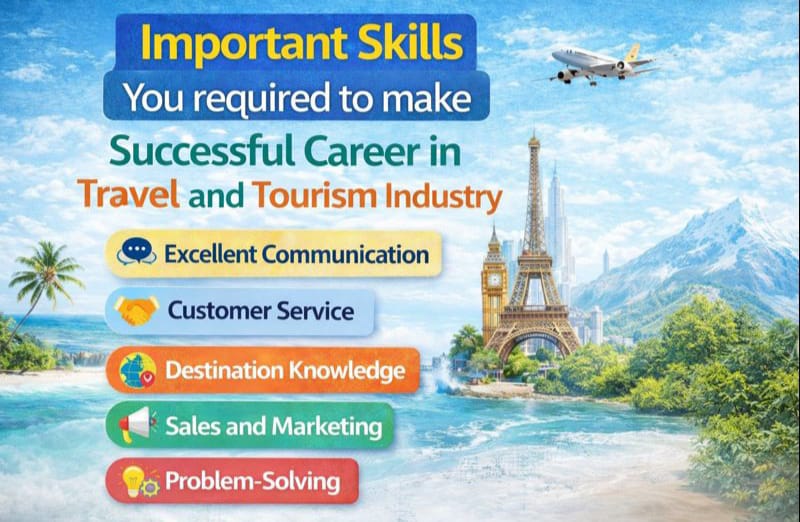
Useful Skills You Can Mention:
-
Knowledge of GDS systems (like Amadeus, Galileo, Sabre)
-
Making travel plans and itineraries
-
Understanding flight ticket prices
-
Helping with visa and travel documents
-
Good communication skills
-
Knowing about travel destinations
-
Handling customer questions and problemsSpeaking a foreign language (if you can)
-
Write About Your Work or Internship Experience
If you have done any internship, part-time job, or training related to travel, mention it here. If you’re a fresher, you can write about college projects, educational tours, or practical training.
Example:
Intern – Travel Assistant
MakeMyTrip, Gurugram — January 2024 to April 2024
-
Booked flight tickets using Amadeus for more than 70 customers
-
Helped plan and arrange holiday packages
-
Talked to hotels and transport services to confirm bookings
-
Answered customer questions and helped solve problems
Try to use action words like helped, managed, handled, and planned when you write about your work.
-
Add Language and Computer Skills
In travel and tourism jobs, knowing different languages and computer tools is a plus. Write clearly which languages you can speak and what software you know how to use.
Example:
Languages: English (Fluent), Hindi (Native), Spanish (Basic)
Computer Skills: MS Excel, Email Writing, Amadeus GDS, CRM Software
Easy Tips to Make Your Resume Better
-
If you are new, keep your resume on one page
-
Use simple writing and the same style from top to bottom
-
If you have a LinkedIn profile, you can add the link
-
Read your resume and fix any spelling or grammar mistakes before sending it
Final Thoughts
A clear and well-made resume can help you stand out in travel and tourism jobs. Show your skills, training, and interest in a simple format. Always change your resume to match the job you’re applying for.
If you’re a beginner, include your projects or training experience. Employers like to see practical work, even if it’s during your course.