What is the Role of Travel Agencies in the Travel Industry
15 November 2025Which Aviation Career is Best For You: Cabin Crew, Airport Ground Staff, Ticketing Agent
25 November 2025
Impact of Tourism on the Economy and Local Communities
Tourism is one of the largest industries in the world, and its influence on the economy and local communities is significant. It not only generates income for countries but also creates opportunities for people at the local level. The movement of travellers brings with it money, cultural exchange, and employment, making tourism a powerful tool for development.
-
Contribution to the Economy
Tourism contributes directly to a country’s Gross Domestic Product (GDP). Every time a tourist spends money on hotels, food, transportation, or souvenirs, it adds to the national income. Popular destinations like India, France, Thailand, and Spain earn billions of dollars annually from international visitors. Tourism also boosts related sectors such as aviation, hospitality, handicrafts, and retail, multiplying its economic effect.
-
Employment Generation
Tourism is one of the largest employers globally. It creates direct jobs like tour guides, hotel staff, travel agents, and airline crew, as well as indirect jobs in construction, handicrafts, and agriculture. In many developing countries, tourism is a lifeline for people who depend on seasonal jobs. For example, local artisans often rely on tourists to buy handmade products that may not have strong demand in local markets.
-
Infrastructure Development
To attract tourists, governments and private investors improve infrastructure such as roads, airports, hotels, and public facilities. These developments not only serve visitors but also benefit local residents. Improved connectivity, better sanitation, and modern facilities raise the standard of living in tourist areas.
-
Boost to Local Businesses
Tourism has a direct impact on small and medium businesses. Local restaurants, homestays, handicraft shops, transport providers, and entertainment groups thrive because of tourist spending. A single tourist can support many local enterprises during a visit. This flow of money strengthens the community-level economies and reduces poverty in rural or less developed regions.
-
Cultural Exchange and Preservation
Tourism encourages cultural exchange between visitors and locals. Travellers learn about traditions, cuisines, languages, and art forms. At the same time, local communities preserve their heritage to attract tourists. Festivals, monuments, and crafts receive greater attention, which helps safeguard cultural identity. In this way, tourism not only boosts income but also promotes pride in cultural roots.
-
Challenges for Communities
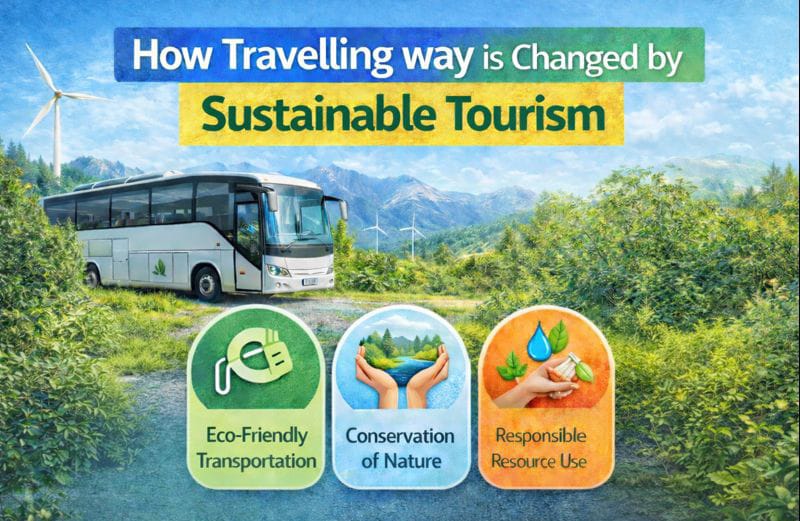
While the benefits are many, tourism can also bring challenges. Overcrowding in popular destinations may strain local resources. Rising demand can increase the cost of living, making it difficult for residents. Uncontrolled tourism may damage the environment and disrupt community life. Therefore, sustainable tourism practices are necessary to balance growth and the protection of local interests.
Conclusion
Tourism is a powerful driver of economic growth and social development. It creates jobs, supports small businesses, builds infrastructure, and fosters cultural exchange. At the same time, communities must manage it wisely to avoid negative impacts such as overcrowding and environmental harm. When developed responsibly, tourism becomes a strong bridge between economic progress and community well-being.